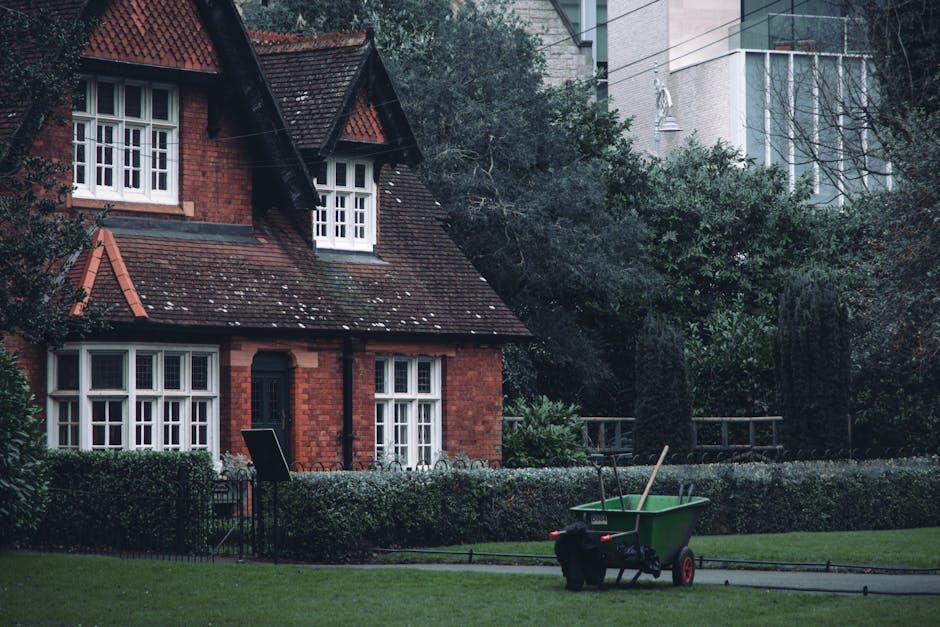
N13 estate gardeners Bowes Park Palmers Green: a practical guide to keeping shared gardens tidy, safe and genuinely usable
If you live in, manage, or look after a shared outdoor space in N13, you already know the pattern: one week the garden looks neat, the next it's full of overgrowth, patchy lawn, stray cuttings, and a hedge that has started making its own plans. That is exactly where N13 estate gardeners Bowes Park Palmers Green come in. The right team keeps communal gardens, frontages, paths, and planted areas looking cared for without turning every visit into a major operation.
This guide breaks down what estate gardening usually involves, how it works in practice, who it suits, and what to look for when you want reliable ongoing maintenance rather than a quick tidy-up. We'll also cover common mistakes, best-practice standards, and the kind of service mix that tends to work best in shared residential spaces. Nothing fluffy. Just useful, real-world guidance you can actually use.
For a broader look at how the service range fits together, you can also review the site's services overview and the company's about us page if you want to understand the team behind the work.
Table of Contents
- Why N13 estate gardeners Bowes Park Palmers Green Matters
- How N13 estate gardeners Bowes Park Palmers Green Works
- Key Benefits and Practical Advantages
- Who This Is For and When It Makes Sense
- Step-by-Step Guidance
- Expert Tips for Better Results
- Common Mistakes to Avoid
- Tools, Resources and Recommendations
- Law, Compliance, Standards, or Best Practice
- Options, Methods, or Comparison Table
- Case Study or Real-World Example
- Practical Checklist
- Conclusion
- Frequently Asked Questions
Why N13 estate gardeners Bowes Park Palmers Green Matters
Estate gardening is not just about making things look pretty, although that certainly helps. In N13, shared green spaces often sit close to pavements, car parks, access routes, and front gardens that see constant use. When maintenance slips, the impact is immediate. Paths become awkward. Hedges spill into walkways. Grass grows unevenly. Weeds creep into cracks. And suddenly the whole place feels less looked after, even if the problem started small.
That matters for residents, tenants, landlords, housing associations, and managing agents alike. A well-kept estate is easier to use, easier to enjoy, and usually easier to manage. It also sends a quiet but important message: someone is paying attention here.
In Bowes Park and Palmers Green, where many homes and developments rely on shared or semi-shared outdoor areas, regular gardening support helps avoid the sort of "catch-up job" that costs more time later. To be fair, that's true in most places. But in estates, the effect is multiplied because one neglected bed or hedge quickly makes the rest of the site look tired too.
You'll often see the difference on a damp morning: the grass holds water, leaves gather at the edges, and the pathway gets a little slippery. Small things. Yet these small things are what turn a welcoming outside space into one that people quietly avoid.
Expert summary: Estate gardening works best when it is scheduled, consistent, and tailored to the site. The goal is not occasional rescue work; it is steady, visible care that prevents problems from building up in the first place.
How N13 estate gardeners Bowes Park Palmers Green Works
Good estate gardening usually starts with a site walk and a practical conversation. What areas need regular attention? Which bits are high-visibility? Where do residents walk most? Are there hedges, trees, lawns, or planted beds that need different treatment at different times of year? A sensible plan begins with those questions, not with a generic checklist shoved over a desk.
Most ongoing estate garden work is built around a routine. That might be weekly during the growing season, then less frequent through colder months. The exact schedule depends on the size of the estate, the mix of surfaces, and how fast the site grows back. Some places need lawn care and hedge trimming every few weeks. Others need periodic clearance, border tidying, and a bit of gentle shaping. No two sites behave quite the same, and anyone who says otherwise is probably overselling it.
Typical estate gardening tasks include:
- lawn mowing and edge finishing
- hedge trimming and light shaping
- weeding beds, borders, and paved areas
- leaf clearance and seasonal tidy-ups
- shrub pruning and deadheading
- green waste removal and responsible disposal
- small-scale clearance of unwanted growth
- basic path and frontage presentation work
Some estates also need related work such as regular lawn mowing, hedge trimming, or occasional garden clearance after a period of neglect or seasonal overgrowth. If the site has harder landscaping or timber features, a team may also coordinate with landscaping or decking services where appropriate.
The important bit is sequencing. A site often needs clearance first, then maintenance, then refinement. Jumping straight to "fine-tuning" when brambles are taking over is, frankly, putting the cart before the horse.
Key Benefits and Practical Advantages
The benefits of a well-run estate gardening service are practical before they are decorative. You notice them in daily use, not just in photos.
- Better first impressions: Neat communal gardens make the whole estate feel more cared for and easier to live in.
- Safer walkways: Regular cutting and clearing helps reduce trip hazards, overhanging growth, and slippery leaf build-up.
- Less long-term cost: Small, regular maintenance is usually easier to manage than sporadic major recovery work.
- Improved resident satisfaction: People tend to look after spaces they feel are looked after.
- Healthier planting: Routine attention supports stronger growth, cleaner edges, and better seasonal change.
- Better site consistency: Shared spaces look coherent when the same standards are applied across the estate.
There's also a quieter benefit: peace of mind. If the garden is already under control, managing complaints becomes easier. Nobody wants to deal with repeated notes about knee-high grass or a hedge swallowing the path. Better to stay ahead of it.
For teams and property managers who want a broader maintenance relationship rather than one-off visits, garden maintenance is often the most efficient route. It creates rhythm, and rhythm is what shared spaces need.
Who This Is For and When It Makes Sense
This kind of service suits more people than you might think. It is not only for large apartment blocks or formal housing estates. In N13, it can make perfect sense for smaller blocks, retirement schemes, managed front gardens, mixed-use residential sites, and shared access areas that need steady care.
You may need estate gardeners if you are:
- a property manager responsible for communal grounds
- a landlord with a shared garden that residents expect to stay presentable
- a residents' association trying to keep upkeep fair and consistent
- a housing provider needing a dependable external team
- a homeowner in a shared development where maintenance has become inconsistent
It also makes sense if the site has been maintained "whenever someone gets around to it." That approach sounds harmless at first, but it usually leads to uneven results. One month the grass is clipped beautifully. The next, the hedges have gone feral. Not ideal.
Another common trigger is change. New residents move in. The estate layout changes. A previous contractor stops doing the job properly. Or maybe the gardens were fine for years and then, all at once, they were not. That happens more often than people admit.
If trees are part of the picture, particularly where branches affect light, pathways, or safety, the job may also involve tree lopping and removal. Not always. But when needed, it's better handled alongside the maintenance plan rather than as an afterthought.
Step-by-Step Guidance
If you are trying to organise N13 estate gardeners Bowes Park Palmers Green properly, here is the cleanest way to think about it.
- Walk the site properly. Look at every shared area, not just the obvious grass. Note where litter, weeds, moss, and overgrowth build up.
- Decide what matters most. Is the priority presentation, safety, resident use, or all three? Most estates need a bit of each.
- Identify the recurring tasks. Some jobs are weekly, some seasonal, some occasional. Don't cram everything into one vague "maintenance" bucket.
- Set a realistic schedule. In growing months, sites usually need more frequent attention. During winter, the focus often shifts to clearing, pruning, and keeping access tidy.
- Agree communication points. It helps to know who signs off the work, who can request urgent visits, and how issues are reported.
- Review the first few visits carefully. The first month often tells you whether the schedule and scope are right or whether they need tightening up a bit.
- Keep records. A simple log of visits, tasks completed, and recurring problem spots makes future planning much easier.
That last part is boring, yes. But boring paperwork saves you from twice the hassle later. Gardening may be visible work, but management still matters underneath.
Expert Tips for Better Results
After enough site visits, a few patterns become obvious. The best results usually come from doing the basics well and doing them repeatedly.
1. Match the schedule to growth, not the calendar alone. A fixed monthly visit might be fine in one season and far too infrequent in another. Growth speed should guide the plan.
2. Don't ignore the edges. Path edges, fence lines, and bed borders are where the "untidy" look often begins. Keep those clean and the whole site reads better.
3. Avoid overcutting. Short grass can look neat for a day, but scalp it too hard and it weakens. The same goes for hedges. Shape matters more than brutal reduction.
4. Clear as you go. Leave clippings, leaves, and cuttings lying around and the work never feels finished. A tidy finish is part of the job, not a bonus.
5. Pay attention after wet weather. A rainy spell in London can change the look of a site overnight. Slips, mud, and clogged drains are worth watching for.
6. Keep residents in mind. It sounds obvious, but schedule noisy or disruptive work with people in mind. Nobody enjoys a hedge cutter rattling outside the bedroom window at the wrong hour.
7. Build in seasonal review points. Spring and autumn are natural moments to reassess. You'll spot patterns that a weekly routine can miss.
Truth be told, a tidy estate is often less about flair and more about not missing the small stuff.
Common Mistakes to Avoid
Estate garden management tends to go wrong in familiar ways. Luckily, most of them are preventable.
- Waiting until the site looks bad: by then, the work is bigger and more disruptive.
- Using one-off visits as the main plan: this can work for emergencies, but not for consistent presentation.
- Ignoring communication gaps: if nobody knows who to contact, small issues linger too long.
- Choosing on price alone: the cheapest quote is not much use if the work is patchy or incomplete.
- Forgetting seasonal variation: gardens do not grow evenly all year, and the schedule should reflect that.
- Skipping waste removal: cuttings left on site can undo the neatness you just paid for.
- Mixing too many priorities into one visit: if everything is urgent, nothing gets done properly.
One especially common issue is underestimating hedges. They look manageable for weeks, then suddenly they are blocking sightlines and shading everything. A bit like laundry, actually. It never looks that much at first, and then it does.
Tools, Resources and Recommendations
Estate gardening relies on ordinary tools used well, not clever gimmicks. A good team will typically use mowers, trimmers, secateurs, blowers, pruning equipment, and safe collection methods appropriate to the site. The difference is usually in judgment, not just machinery.
When choosing support, look for practical signs of professionalism:
- clear site assessment before work begins
- straightforward pricing and scope explanation
- consistency in visit patterns
- care with waste handling and disposal
- respect for access points, resident parking, and neighbouring properties
- good communication when conditions change
If you are comparing providers, pricing and quotes should be transparent enough that you can tell what is included. And if you want to understand practical standards around safety and service delivery, it is worth reading the site's pages on insurance and safety plus health and safety policy.
For estates that generate a lot of green waste after pruning or seasonal clear-ups, recycling and sustainability is also worth considering. Responsible disposal is not a side issue; it is part of proper garden management.
Law, Compliance, Standards, or Best Practice
Estate gardening is not heavily regulated in the way some trades are, but there are still important standards of care. In the UK, anyone responsible for shared premises should think carefully about safety, access, and reasonable maintenance. That does not mean every site needs a formal policy binder the size of a brick. It does mean work should be organised sensibly.
Practical best practice usually includes:
- keeping paths, entrances, and common areas clear
- reducing obvious trip and slip hazards
- using suitable equipment for the task
- managing waste responsibly
- ensuring people can still access the space safely during work
- communicating about disruptive tasks where needed
For estate managers, it is also sensible to check contractor documentation such as insurance cover and working practices. If a site has residents with mobility concerns, prams, or regular foot traffic, then pathway access becomes more than a convenience issue. It becomes part of everyday safety.
There is no need to overstate it. Just apply normal, careful standards. That's usually enough. If you want to see how a provider frames those responsibilities, the pages on accessibility statement, complaints procedure, and payment and security can give a useful sense of how seriously they take the client side of the service.
Options, Methods, or Comparison Table
Not every estate needs the same type of gardening support. Some need a light recurring visit. Others need a more hands-on maintenance programme. The right method depends on how the site is used, how fast it grows, and how much visible polish matters.
| Approach | Best for | Strengths | Limitations |
|---|---|---|---|
| One-off tidy-up | Overgrown or neglected spaces | Fast reset, useful after a long gap | Does not prevent future build-up |
| Routine maintenance | Shared gardens and estates with regular use | Stable presentation, easier budgeting, fewer surprises | Needs consistency and planning |
| Seasonal overhaul | Sites with strong spring/autumn changes | Good for pruning, clearance, and major refresh work | Can leave gaps between visits |
| Mixed maintenance and landscaping | Estates needing both upkeep and improvement | Balances appearance, usability, and long-term upgrades | Requires clearer coordination |
In plain English: if the garden is already pretty well behaved, maintenance is usually enough. If it has been left too long, start with clearance, then move into a steadier routine. Simple enough, but people still get this backwards a lot.
Case Study or Real-World Example
Imagine a mid-sized residential estate in N13 with a shared front lawn, narrow side access, and two hedged borders. At first glance it looks manageable. But after a few months of inconsistent care, the lawn gets uneven, the hedge line starts leaning into the path, and weeds appear in the border edges where nobody wants to kneel down and pull them.
The first visit is not glamorous. The team clears debris, tidies the worst growth, checks access, and gets the site back to a basic presentable standard. The next few visits are more strategic: the lawn is cut to a healthier level, the hedge is trimmed lightly rather than hacked back, the borders are edged, and waste is removed each time. By the second or third visit, the whole site feels calmer. Not dramatic. Just better. Residents notice because they stop noticing the mess.
That is the real win. A good estate gardening plan should make the space feel easy again. People walk through, glance around, and move on with their day. No drama. No complaints. Lovely, really.
Practical Checklist
Use this checklist if you are deciding whether to arrange estate gardening support in Bowes Park or Palmers Green.
- Have you identified all shared outdoor areas that need attention?
- Do you know which parts are high-traffic and which are lower priority?
- Is there a clear maintenance schedule, not just ad hoc visits?
- Have you listed the regular tasks such as mowing, trimming, and weeding?
- Do you know what counts as seasonal work on your site?
- Is green waste removal included or separately arranged?
- Have you checked insurance and safety expectations?
- Is the contractor clear about communication and issue reporting?
- Have you considered whether initial clearance is needed before maintenance begins?
- Are pricing and scope explained in a way that makes sense?
If you can answer most of those confidently, you are already ahead of many estate setups. If not, that is fine too. Better to catch it now than after the garden has quietly turned into a small wilderness.
Conclusion
Choosing N13 estate gardeners Bowes Park Palmers Green is really about choosing consistency, care, and a practical approach to shared outdoor spaces. The best results do not come from flashy promises. They come from clear planning, regular maintenance, sensible timing, and a team that understands how estates actually function day to day.
Whether you need routine upkeep, a one-off reset, or help building a long-term maintenance plan, the smartest move is to start with the site itself: how it is used, where it struggles, and what residents notice first. Do that well, and the rest gets much easier.
Get a free quote today and see how much you can save.
And if you want to learn more about the company behind the service, you can explore the about us page or get in touch through contact us when you are ready. A tidy shared garden has a way of lifting the whole place, honestly. Small thing, big difference.
Frequently Asked Questions
What do N13 estate gardeners Bowes Park Palmers Green usually do?
They typically handle routine garden maintenance for shared or communal spaces, including mowing, hedge trimming, weeding, clearing cuttings, tidying borders, and keeping access areas presentable. Depending on the site, they may also support with seasonal clearance or broader landscaping tasks.
How often should an estate garden be maintained?
It depends on growth and usage. During the growing season, many shared spaces need more frequent visits, while winter may require less mowing and more clearance or pruning. The main thing is consistency rather than waiting until the garden looks tired.
Is estate gardening different from regular domestic gardening?
Yes. Estate gardening usually involves shared spaces, more people using the area, and a stronger need for consistency, communication, and access management. The work is often more structured and may involve coordination with managers or residents.
What should be included in an estate gardening quote?
A useful quote should explain what areas are included, what tasks are covered, how often visits happen, whether waste removal is included, and what happens if the site needs extra work. Clear scope matters more than a vague low number.
Do overgrown communal gardens need clearance first?
Often, yes. If a garden has been left too long, a one-off clearance can reset the space before regular maintenance begins. That usually gives better results than trying to maintain a site that is already heavily overgrown.
Can estate gardeners help with hedges and trees as well?
They can often help with hedge trimming and some tree-related work, depending on the size and nature of the job. For larger or more complex tree work, it is sensible to ask whether tree lopping and removal is relevant to the site.
What are the biggest mistakes estate managers make with garden care?
The most common mistakes are delaying maintenance too long, choosing on price alone, ignoring seasonal growth changes, and failing to agree a clear schedule. A little planning makes a huge difference, really.
How do I know if my estate needs landscaping rather than maintenance?
If the main problem is recurring upkeep, maintenance may be enough. If the space has poor layout, weak planting, worn surfaces, or awkward use, then landscaping may be more appropriate. Sometimes you need a mix of both.
Are insurance and safety important for garden contractors?
Yes. Shared residential spaces should be handled by contractors who work safely and carry suitable insurance. That is especially important where residents, visitors, or access routes could be affected during work.
Can estate gardening be arranged alongside other outdoor improvements?
Absolutely. Many sites combine regular maintenance with improvement work such as landscaping or decking-related changes. The best approach is to sequence the work carefully so the site stays usable while upgrades are being made.
What is the best way to keep an estate garden looking tidy between visits?
Focus on the basics: clear access routes, remove litter promptly, keep hedge lines under control, and make sure the schedule matches the season. Small ongoing attention is what prevents the space from slipping backwards.
How do I get started if the garden is already messy?
Start with a site assessment, identify the worst areas, and decide whether a clearance visit is needed before routine maintenance begins. Once the space has been reset, a regular plan is much easier to maintain.