Same day gardeners Palmers Green for restricted access
If you need urgent garden help but your property is awkward to reach, you are not alone. Same day gardeners Palmers Green for restricted access are often called out to places where a normal van, mower, or clearance team simply cannot roll straight up to the door. Think side passages, terraced homes, shared entrances, basement gardens, rear access through a house, or a gate that barely swings open. It sounds simple until you actually try to move bags of waste, a mower, and tools through a tight gap on a wet afternoon.
That is exactly why this topic matters. Speed is important, yes, but so is planning. In a restricted-access garden, a rushed approach can mean damaged plants, scuffed walls, blocked pathways, or a job that takes twice as long as it should. This guide explains how same day gardening works in tighter spaces, what to expect, where the risks are, and how to get a fast result without creating more problems than you started with.
For readers comparing services, it can help to look at the wider services overview and the practical difference between regular upkeep and one-off urgent work such as garden maintenance or garden clearance. Different jobs need different logistics, and access changes everything. Truth be told, that is where the real work begins.
Table of Contents
- Why Same day gardeners Palmers Green for restricted access Matters
- How Same day gardeners Palmers Green for restricted access Works
- Key Benefits and Practical Advantages
- Who This Is For and When It Makes Sense
- Step-by-Step Guidance
- Expert Tips for Better Results
- Common Mistakes to Avoid
- Tools, Resources and Recommendations
- Law, Compliance, Standards, or Best Practice
- Options, Methods, or Comparison Table
- Case Study or Real-World Example
- Practical Checklist
- Conclusion
- Frequently Asked Questions
Why Same day gardeners Palmers Green for restricted access Matters
Restricted access changes the whole shape of a gardening job. A standard visit might work fine on an open front drive with side access and a clear route to the garden. But once you are dealing with narrow alleys, locked gates, long shared hallways, basement steps, or a courtyard tucked behind a building, every movement has to be thought through.
For homeowners and landlords in Palmers Green, the real issue is not just convenience. It is reliability. A garden can move from manageable to messy very quickly after a storm, a holiday, tenant changeover, or a few weeks of growth in warm weather. One heavy shower and the place looks different. Same day response gives you a chance to get on top of it before weeds, overgrowth, or debris become a bigger headache.
There is also a practical safety angle. Restricted access often means more lifting, more carrying, and more awkward turns. If a team is experienced, they will look at the route first, not last. That might sound obvious, but you would be surprised how often people skip the boring bit and then regret it later. A proper access check saves time, protects surfaces, and usually makes the finish better too.
In our experience, the difference between a decent result and a frustrating one is often something small: a gate hinge, a shared corridor, a tight corner by the bins, or a low wall that limits what can be carried through. None of that is dramatic on its own, but together it can turn a quick job into a complicated one.
Expert summary: Same day gardening for restricted access works best when speed is matched with planning. Fast arrival is useful; careful access planning is what makes the visit actually successful.
How Same day gardeners Palmers Green for restricted access Works
The process is usually straightforward, though the details matter. A good same day service begins with a quick conversation about the access route, the type of work needed, and any obstacles that might affect the visit. If you can describe the entrance, gate width, staircases, shared paths, or any parking limitations, the team can prepare with the right equipment and enough labour.
On arrival, the first step is normally a brief survey. That does not need to be formal or complicated. It is simply a walk-through to understand the route in, the route out, and where materials or green waste will be stored temporarily. For a hedge trim or light tidy-up, the setup may only take a few minutes. For a full clearance, it may take longer because waste handling matters more.
The work itself is often adapted on the spot. Smaller tools may be used instead of larger machines. Cuttings may be bagged in stages rather than piled up first. If the access is especially tight, a team may plan more manual carrying and less machine movement. That takes a bit longer, but it usually protects your property and avoids the awkward moment where a mower is stuck halfway through a narrow side passage. Not ideal, obviously.
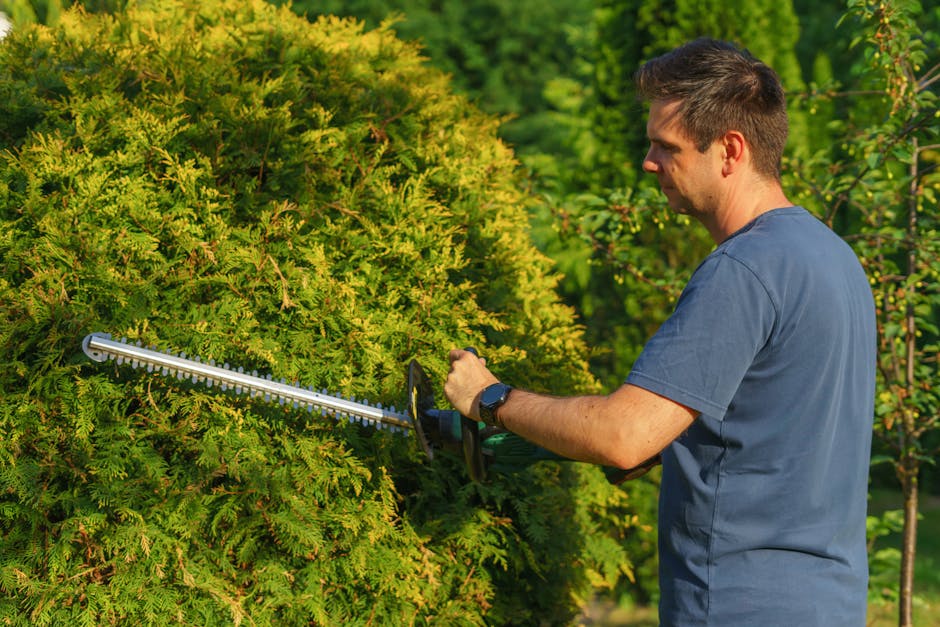
For jobs involving overgrown growth, pruning, or woody material, a service like hedge trimming or tree lopping and removal may be relevant, especially where branches or stems need to be moved carefully through the property. If the aim is to reset the garden entirely, then garden clearance is usually the more suitable route.
Once the job is complete, the site should be checked for leftover debris, damaged edging, skipped spots, and any access-related issues such as muddy tracks or blocked gates. Good teams do not just leave when the cutting is done. They tidy the working route as well. That part matters more than people expect.
Key Benefits and Practical Advantages
Same day gardening in restricted-access settings offers a few very clear advantages. The first is obvious: speed. If you are preparing a property for viewing, trying to restore order after bad weather, or simply cannot wait for a later slot, same day support is genuinely useful.
The second is control. With restricted access, problems can escalate fast if the garden is left alone. Heavy growth can block pathways, create slippery surfaces, hide waste, or make doors and windows harder to use. A prompt visit keeps the issue small and more manageable.
Here are the practical advantages people tend to notice:
- Less disruption to the home, tenants, or neighbours
- Better handling of tight entrances and shared routes
- Reduced risk of dragging soil, cuttings, or equipment across clean areas
- Faster recovery after storms, tenant turnover, or an unexpected inspection
- More flexibility when standard booking times are not workable
There is also a quieter benefit: peace of mind. You know the space has been assessed by someone who understands awkward access. That removes a lot of guesswork. Let's face it, most people do not spend their evenings thinking about how to turn a bin-sized gate into a workable tool route.
If you are weighing up whether the job needs a light maintenance visit or a more involved site reset, compare the likely scope with lawn mowing and broader garden maintenance. A quick tidy-up may be enough for one garden. Another may need a full clearance plus a follow-up trim. That is not a failure; it is just the reality of different sites.
Who This Is For and When It Makes Sense
This kind of service is a strong fit for people who need speed without sacrificing care. It is especially useful if the garden is physically awkward to reach or if the timing is tight.
Typical situations include:
- Terraced homes with only narrow side or rear access
- Flats or maisonettes with shared pathways
- Basement or lower-ground gardens
- Properties with heavy overgrowth after a period of neglect
- Landlords between tenancies who need a fast turnaround
- Homeowners preparing for visitors, estate agents, or works by another contractor
- Older residents who need the garden made safe quickly but cannot manage the lifting themselves
It also makes sense when your schedule is messy. Maybe you only have one day off. Maybe the weather window is short. Maybe a tenant has just moved out and left the outdoor space untidy. These are ordinary, real-life situations, not emergencies in a dramatic sense, but they still need action.
Sometimes a same day visit is less about beauty and more about function. A garden may simply need to be made safe, passable, and presentable. That is enough. There is no rule saying every job has to become a show garden on the first pass. One step at a time is fine.
Step-by-Step Guidance
If you want the smoothest possible visit, a little preparation goes a long way. Here is the practical sequence I would recommend.
- Describe the access clearly. Mention gates, steps, shared hallways, parking limits, and any narrow points. If the route includes a tight turn or a low overhang, say so up front.
- Explain the job priority. Do you need lawn cutting, pruning, waste removal, hedge shaping, or a general tidy? A focused brief helps the team bring the right tools.
- Share time constraints. Same day work can be organised more efficiently if the team knows whether there is a hard deadline, such as a moving day or inspection.
- Clear the obvious obstacles. Move bikes, bins, children's toys, and anything breakable away from the route if you can.
- Ask how waste will be handled. In restricted-access jobs, waste loading is often the part that takes the longest. It helps to know whether cuttings will be bagged, stacked, or removed in stages.
- Let the team inspect before they start. A minute of planning can save half an hour of awkward shuffling later.
- Check the finish properly. Look at the access route, the working area, and the gate or doorway used. Sometimes the space looks clean at first glance, but a second look catches the stray clippings in the corner.
Small clarification: "same day" does not mean "instant". A good team still has to travel, assess, work carefully, and leave the place tidy. If you understand that from the start, the whole thing feels less rushed and usually goes better.
Expert Tips for Better Results
The best results usually come from a few simple habits. They are not flashy, but they matter.
Tip one: photograph the access route before the visit if anything is unusual. A narrow side alley, basement stair, or locked gate is much easier to explain with a quick photo than with a long message. You do not need to overdo it. A couple of clear images do the job.
Tip two: tell the team if surfaces are delicate. Old paving, painted walls, loose gravel, and timber decking can all react badly to dragging tools or heavy bins. If you have a decked area, the right handling matters even more, so it may be sensible to discuss decking services if repairs or improvements are needed after the immediate work.
Tip three: if overgrowth is dense, ask whether a phased approach makes sense. Sometimes the most sensible plan is a first-day cut-back and clear, followed by a second visit for shaping or finishing. That is not overcautious; it is just smart work.
Tip four: be realistic about parking and carrying distance. A van parked a bit further away can still work, but the time and labour involved will change. Better to know this beforehand than to be surprised later.
Tip five: if your goal is regular upkeep rather than an urgent rescue, set up a maintenance rhythm after the initial visit. A clean, accessible garden is much easier to keep that way than to recover from scratch each time.
And one more thing. A good local gardener will not pretend that every access issue is trivial. If they say a route is awkward, believe them. They are probably being kind about it.
Common Mistakes to Avoid
Most problems in restricted-access gardening come from assumption. People assume the route is fine. They assume the waste will be easy to move. They assume a standard mower or trimmer will fit through the gap. Usually, that is where the trouble starts.
- Not mentioning the access constraints early. If the gate is narrow or the route is shared, say so before the visit.
- Underestimating waste volume. A light trim can create a surprising amount of cuttings, especially after a long gap between visits.
- Booking the wrong type of service. A simple tidy-up is not the same as full clearance. Choosing the right scope saves time and frustration.
- Leaving fragile items in the working path. Pots, ornaments, hose reels, and loose furniture are easy to overlook.
- Expecting heavy equipment where it cannot reasonably go. The best team adapts. They do not force a machine into a route that clearly is not built for it.
- Skipping the follow-up plan. If the space tends to overgrow quickly, a one-off fix may only be half the answer.
There is a smaller mistake too: trying to make the job look easy by hiding the awkwardness. You do not need to do that. A candid description of the problem helps everyone. Really, that is half the battle.
Tools, Resources and Recommendations
For restricted-access gardens, the right tools are often more important than the biggest tools. Smaller, lighter, more manoeuvrable equipment can be more useful than a heavy machine that never fits through the route in the first place.
Useful items and approaches may include:
- Compact hand tools for cutting and shaping
- Lightweight bags or containers for staged waste removal
- Manual rakes and shears where machine access is limited
- Protective sheets or covers for delicate internal walkways
- Careful route planning before any cutting starts
For people managing regular outdoor upkeep, it can be helpful to combine urgent access work with an ongoing care plan through garden maintenance. That way, the next visit is less about rescue and more about keeping things tidy.
If your garden has become too much to handle in one go, a deeper reset may be the better route. In that case, a structured services overview can help you think through what belongs in the first visit and what can wait. No need to overcomplicate it. Start with what blocks access, then move outwards.
You may also want to think about what happens to the green waste. Responsible disposal is not only cleaner; it also keeps the working route safer. A good team will usually plan removal with the access route in mind, rather than piling everything up and hoping for the best. That old approach, frankly, is a bit of a mess.
Law, Compliance, Standards, or Best Practice
For most domestic gardening jobs, the main concern is not legal complexity but good practice. Still, there are a few sensible points to keep in mind.
First, safety should come before speed. In the UK, outdoor work is commonly carried out with attention to basic risk awareness, safe use of tools, sensible lifting, and clean work areas. You do not need to be an expert to expect that from a contractor. It is fair to ask how access, lifting, and waste handling will be managed.
Second, insurance matters. In tight spaces, the chance of accidental scuffing, breakage, or trip hazards can be higher simply because everything is more cramped. It is reasonable to ask whether the service is properly covered and how they approach site safety. The page on insurance and safety is a useful reference point for that kind of reassurance.
Third, if waste is being removed, good practice is to keep the site tidy and handle materials responsibly. You do not need a lecture on that, but it matters. Similarly, if you are concerned about the environmental side, the approach to recycling and sustainability can help indicate whether the work is being managed thoughtfully.
Finally, if access routes include shared areas, tenant spaces, or building entrances, courtesy counts. Leave common areas clean, communicate clearly, and avoid blocking exits. That is just decent behaviour, really, though it is also the sort of thing that prevents complaints later.
For service-level expectations, you can also review the site's terms and conditions and related policy pages. They are there to reduce confusion before work starts, which is always better than trying to resolve uncertainty after the job is done.
Options, Methods, or Comparison Table
Not every restricted-access garden needs the same approach. The table below gives a simple comparison of common ways these jobs are handled.
| Approach | Best for | Strengths | Limitations |
|---|---|---|---|
| Light same day tidy-up | Small overgrowth, quick presentation fixes, basic path clearing | Fast, affordable in effort, minimal disruption | May not solve deeper neglect or large waste volumes |
| Targeted maintenance visit | Regularly used gardens that need pruning, mowing, and general care | Keeps the space manageable, easier to schedule | Needs routine follow-up |
| Full clearance visit | Heavily overgrown or cluttered gardens, tenant changeovers, pre-sale prep | Resets the space, removes a lot in one go | More labour, more planning, more waste handling |
| Phased access-sensitive work | Very tight entrances, delicate surfaces, or complex layouts | Protects property, reduces strain on access routes | May take longer overall |
As a rule, the tighter the access, the more useful a phased or manual-first approach becomes. Bigger is not always better. Sometimes small and careful wins, which is not the most glamorous answer but it is often the right one.
Case Study or Real-World Example
Imagine a small Palmers Green terrace with rear garden access only through the house and down a narrow passage. The garden itself is not huge, but after a few weeks of warm weather it has become overgrown enough to block the path from the back door to the shed. There are trimmings from a hedge, some long grass, and a few old bags that need shifting.
The homeowner needs the space sorted the same day because a family visit is planned for the evening. The route is tight, and one of the corridor corners is awkward. Instead of bringing the biggest machine available, the team uses compact tools, bags waste in stages, and keeps the route clear as they go. A quick inspection shows a fragile planter near the doorway, so that is moved before work starts. Small detail, big difference.
By the end of the visit, the pathway is clear, the lawn is neat, the hedge has been shaped, and the garden feels usable again. No drama. No damage. No pile of cuttings sitting by the back door while everyone wonders what to do next. Just a sensible result.
That kind of outcome is common when planning and access awareness are taken seriously. It is not magic. It is just good process, carried out with a bit of patience.
Practical Checklist
Use this checklist before booking or before the team arrives.
- Confirm the exact access route
- Measure narrow gates or tight passages if possible
- Explain whether access is shared, internal, or via stairs
- List the main jobs to be done
- Tell the team if you need same day completion
- Move fragile items away from the route
- Check whether parking is straightforward or limited
- Ask how cuttings and waste will be removed
- Clarify whether the job is tidy-up, maintenance, or clearance
- Review the site once the work is finished
Keep it simple. If you can answer those points, you are already ahead of most people who book in a hurry and then have to improvise later.
Conclusion
Same day gardeners Palmers Green for restricted access are about more than speed. They are about bringing order to spaces that are hard to reach, awkward to work in, or simply too urgent to leave for another day. The real value sits in the combination of quick response, careful access planning, and a practical understanding of what can be done safely in a tight space.
If you remember one thing, make it this: the best same day result is not the fastest start, but the cleanest finish. A garden that is easy to reach, safe to use, and properly tidied will always feel better than one that was rushed. And yes, sometimes it really is the small things, like a narrow gate or a stubborn corner, that decide the whole job.
If you want to discuss what your garden needs next, start with the scope, the access route, and the timing. That gives everyone a fair chance to do the work properly.
Get a free quote today and see how much you can save.
Frequently Asked Questions
What counts as restricted access for a garden?
Restricted access usually means the normal route into the garden is narrow, shared, awkward, or partly inside the property. That can include side passages, basement steps, internal hallways, locked gates, or awkward turns that make carrying tools and waste more difficult.
Can same day gardeners still handle narrow side entrances?
Yes, often they can, provided the access route is described clearly in advance. The team may use smaller tools, manual carrying, and a more careful workflow to avoid damage or blockages. It is less about brute force and more about planning.
Is same day gardening suitable for a full garden clearance?
It can be, but the size of the clearance and the access route both matter. A small to medium clearance is more likely to fit into a same day visit than a heavily overgrown site with a very tight route. If the job is bigger, a phased approach may work better.
What should I tell the gardener before they arrive?
Tell them about gate widths, stairs, shared access, parking limitations, surface sensitivity, the type of work needed, and whether there is a hard deadline. The clearer the brief, the smoother the visit usually is.
Will the team bring large equipment?
Not necessarily. In restricted-access settings, smaller and lighter equipment is often more practical. The right tools depend on the site. A good team will choose what fits the route rather than forcing in equipment that is clearly too big.
How do gardeners remove waste from a tight property?
Usually by bagging waste in stages, moving it carefully along the access route, and keeping the working area tidy as they go. On difficult sites, waste removal can take as much thought as the cutting itself.
Are restricted-access jobs more expensive?
They can be, because they often take longer and need more manual handling. That said, the actual cost depends on the size of the garden, the amount of work, and how awkward the access is. It is best to ask for a clear quote based on the site conditions.
What if my garden has a decked area or delicate surfaces?
That should be mentioned early. Delicate surfaces need a careful approach to avoid scratches, scuffs, or slips. If there is decking, repair or improvement work may also be worth considering alongside the gardening visit.
How quickly can a same day visit happen?
It depends on schedule, travel time, and the job size. Same day usually means the work can be arranged on the same calendar day, not that the team appears instantly. A quick call or message with the right details helps speed things up.
What is the best service if the garden is badly overgrown?
A clearance-style visit is often the right start if the space is heavily overgrown or cluttered. From there, the garden can move into regular maintenance, trimming, or mowing once access is easier and the worst of the growth has been removed.
Do I need to be at home for the visit?
Often it is helpful, especially if access is tricky or if the team needs you to unlock gates, point out hazards, or confirm the work scope. In some cases, arrangements can be made in advance, but it is usually simpler if someone is available at the start.
How can I keep a restricted-access garden easier to manage in future?
Regular maintenance is the key. Small, frequent visits are much easier than waiting until the garden becomes difficult to reach or overgrown. Once the space is back under control, a simple upkeep plan can save a lot of hassle later.
Useful next step: if you are comparing services or want to understand the broader range of help available, take a look at the about us page and the wider services overview. A clear picture now makes everything easier later.
And if you are reading this with muddy boots by the back door and a narrow gate that looks more troublesome by the minute, take a breath. It can be sorted. One careful step at a time.